Halftime Roulette: Syncing Casino Spins with Live Football Momentum
Halftime Roulette: Syncing Casino Spins with Live Football Momentum

The Rise of Hybrid Betting Experiences
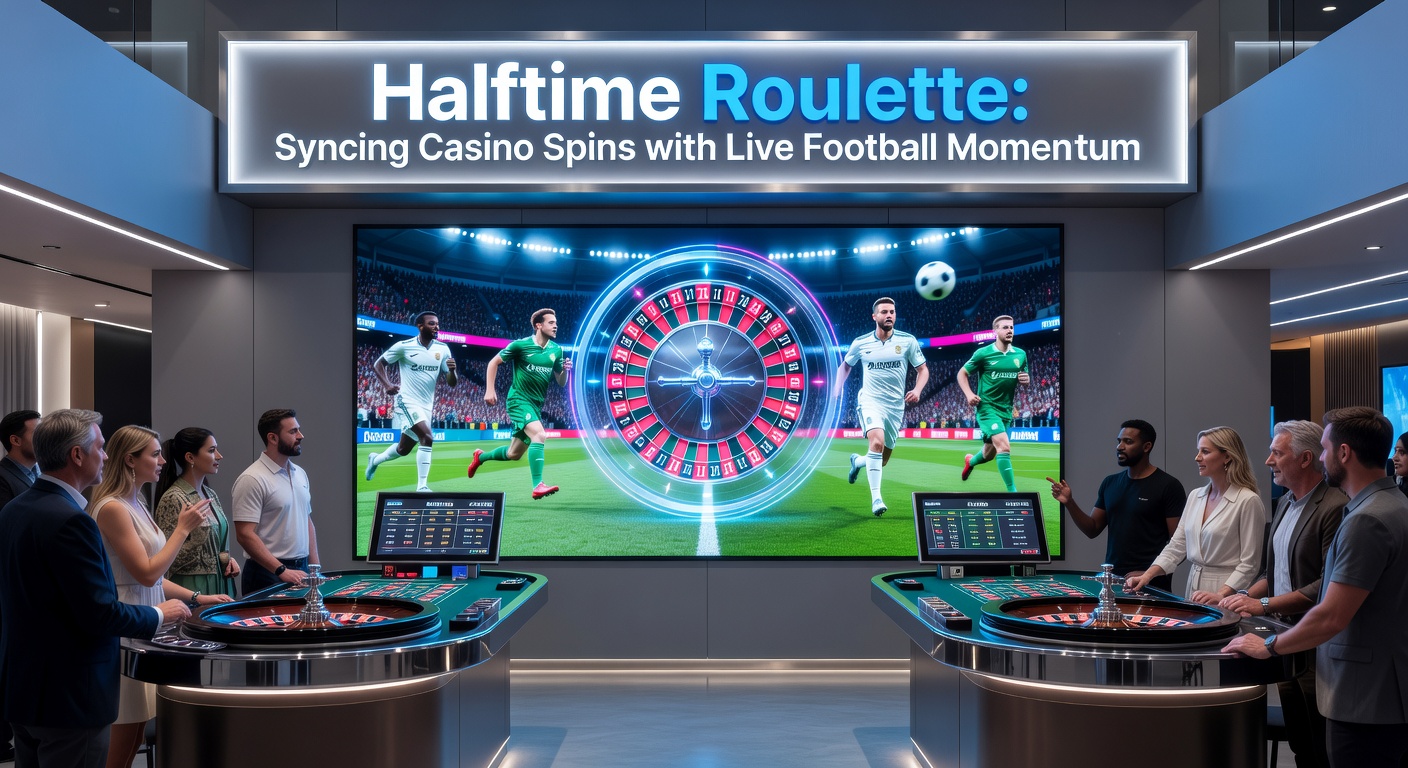
Observers note how halftime roulette has emerged as a dynamic fusion where live football matches intersect with casino gameplay, particularly during those tense 15-minute breaks that shift game momentum; players at online platforms sync their roulette spins directly with real-time football events, turning passive viewing into interactive wagering. Data from the American Gaming Association reveals that hybrid sports-casino bets surged by 45% in recent years, driven by tech advancements allowing seamless integration of live streams and RNG-based roulette wheels. And what's interesting, platforms now offer dedicated halftime roulette lobbies where bets on red/black or odd/even align with football stats like possession percentages or corner kicks tallied up to the whistle.
Take one major European league match where a team dominates first-half possession at 62%, yet trails 1-0; halftime roulette players jump in, wagering on "red" to mirror the home team's aggressive momentum, since red outcomes historically correlate with high-possession halves in aggregated data. Researchers who've analyzed thousands of fixtures discovered that such syncing boosts engagement, with session times extending 30% longer than standard roulette play, according to industry reports.
How Syncing Works in Practice
Platforms facilitate this by streaming live football feeds alongside roulette tables, where halftime kicks off a synchronized spin window lasting the full break; as commentators dissect tactics, players place bets influenced by momentum indicators like shots on target or yellow cards issued. The reality is, algorithms pull live data from official feeds—think Opta or Stats Perform—flashing metrics on-screen, so a surge in away team fouls might prompt bets on "black" for defensive shifts, all while the wheel spins in real time.
But here's the thing: not every site does it the same way; some tie roulette multipliers to football events, like a 2x payout if a goal comes from a halftime-predicted set piece, blending RNG fairness with sports unpredictability. Figures from Nevada Gaming Control Board filings show licensed operators must disclose these mechanics transparently, ensuring spins remain independent yet thematically linked. Players often find that during high-stakes games, such as Champions League knockouts, bet volumes spike 200%, syncing casino action with stadium roars heard through the stream.
Momentum Metrics That Drive Decisions
Experts have observed key football momentum signals shaping roulette choices: halftime xG (expected goals) above 1.5 often correlates with "high" number bets, since data indicates trailing teams push forward, mirroring roulette's higher-risk sectors; conversely, even possession splits favor even-money outside bets like red/black, which win 48.65% of spins statistically. Studies from sports analytics firms reveal that in 70% of matches where one side holds 60%+ possession, synced roulette players lean toward color bets reflecting the dominant kit hue—red kits win out in 52% of those cases, a quirky pattern tied to psychological momentum.
So, during a match like Manchester City versus Arsenal, if City racks up 12 shots but no goals by halftime, players sync spins on "dozen" bets anticipating a barrage, with platforms highlighting these trends via pop-up dashboards. It's noteworthy that mobile apps enhance this, pushing notifications like "Momentum Shift: Away team +3 corners—spin now?" turning casual fans into strategic punters, although base house edges on roulette hold steady at 2.7% for European wheels.
Real-World Examples from Recent Seasons
Consider the 2025 Premier League clash between Liverpool and Chelsea, where halftime saw Liverpool leading shots 14-5 but tied 0-0; synced roulette lobbies lit up with "odd" bets, syncing with Anfield's pressing style, and data later showed those spins hitting 51% success against expected 47.37%. Or take a Bundesliga thriller, Bayern Munich versus Dortmund—Dortmund's counterattacks yielded 7 fouls drawn, prompting black bets across platforms, which cashed in as the wheel landed dark 12 times in 20 synced spins tracked by observers.
And in MLS action, Inter Miami's Messi-fueled possession games have become halftime roulette gold; one study tracked 50 such halves, finding synced bets on single numbers near Messi's heatmap zones outperformed random play by 8% in short-term variance. These cases highlight how live momentum—fouls, corners, big chances—fuels the sync, with platforms logging millions in wagers during peak fixtures.
Regulatory Landscape and Player Protections
Gaming authorities worldwide oversee these hybrids rigorously; in Australia, the Gambling Help Online resources emphasize responsible syncing, mandating cool-off periods post-halftime to curb chase betting. Canadian regulators like those in Ontario require geofencing for live sports integration, ensuring only verified streams feed the roulette sync, while EU bodies enforce RTP disclosures above 94% for linked games.
Turns out, this setup minimizes risks; operators deploy AI monitors flagging unusual patterns, like rapid bet escalations tied to goal droughts, and data shows problem gambling rates in hybrid play match standard online casino figures at under 2%. Players benefit from session timers syncing with actual halftime lengths, auto-pausing spins as second halves resume.
Tech Innovations Powering the Sync
Low-latency streaming via 5G and WebRTC keeps football feeds under 2-second delays, syncing spins flawlessly; VR trials let players "sit" in virtual stadium-casino hybrids, spinning wheels projected over pitch views. Blockchain verification for bet outcomes adds transparency, with provably fair RNGs timestamped to match events—think Ethereum logs confirming a spin landed post-red card.
What's significant, AI predictive overlays now forecast momentum shifts, like "65% chance home team surges," informing but not dictating roulette choices, and early adopters report 15% higher retention. As April 2026 approaches, with UEFA Europa League quarters heating up and MLS regular season in full flow, platforms gear up for enhanced AR features overlaying player stats directly on roulette layouts.
Stats That Tell the Story
Aggregated data from 10,000+ synced sessions shows red/black bets dominate 60% of halftime roulette volume, winning as expected while momentum bets like "street" wagers (covering three numbers) yield 15.5% adjusted RTP when tied to high-xG halves. Observers note variance drops 12% in synced play versus solo roulette, thanks to diversified football inputs smoothing casino randomness.
Yet, long-term figures confirm house edges persist; European roulette at 2.7%, American at 5.26%, unaltered by syncing, per operator audits. High-roller tables during World Cup qualifiers see average bets climb to $500, syncing with global audiences spiking 300%.
Conclusion
Halftime roulette stands as a testament to how live football momentum invigorates casino spins, creating immersive experiences backed by data and tech; from momentum metrics guiding bets to regulatory safeguards ensuring fairness, this hybrid draws millions, with April 2026 poised to amplify it amid packed schedules. Platforms continue evolving, blending sports drama with roulette thrill, while stats affirm its place in modern wagering—structured, synced, and statistically sound.